Rechargeable Communities
A new energy infrastructure for large-scale residential development.
Termobuild activates the concrete structure already built into each home, allowing communities to store cooling energy at night and release it gradually during the day — reducing peak demand while improving comfort, resilience, and indoor air quality.

Work with climate instead of fighting it
Many regions already have a powerful natural resource available during off-peak hours: cooler nighttime air. Termobuild turns that resource into a community-scale thermal asset by using the building structure itself to store and shift cooling energy.
Instead of asking every home to respond separately to afternoon peak conditions, the community can be designed so the structure of each home helps precondition the building before demand is highest.
By morning, the home is thermally prepared. During peak afternoon hours, stored energy helps stabilize indoor conditions and reduce strain on mechanical systems and the electrical grid.
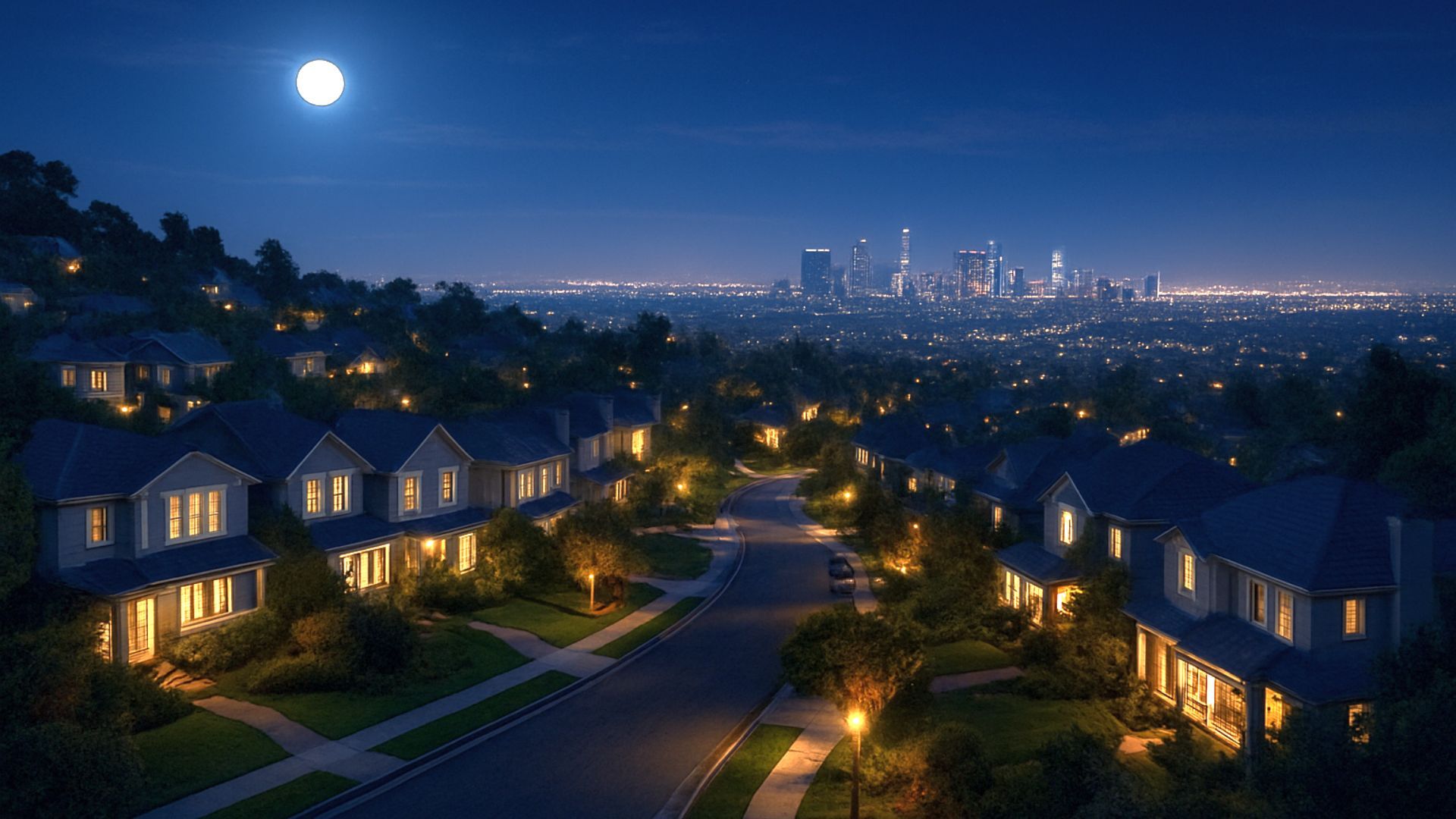
Recharge at night. Release during the day.
A conventional home typically depends on active cooling when outdoor conditions and grid demand are already high. A rechargeable building uses its structure differently.
Conventional Path
- Energy use rises as daytime heat and occupancy loads increase
- Cooling demand often coincides with peak grid stress
- Each home reacts individually to changing conditions
- Mechanical systems carry more of the comfort burden
- Community growth can add pressure to electrical infrastructure
Rechargeable Building Path
- Use favorable nighttime conditions to charge the structure
- Release stored thermal energy gradually during the day
- Reduce peak cooling demand across many homes at once
- Improve comfort stability with less reactive HVAC cycling
- Create distributed thermal infrastructure built into the community
Buildings can become part of the energy infrastructure itself.
Rechargeable communities reduce peak demand not by adding separate storage systems — but by activating the structure already built into every home.
How a home becomes thermal energy storage
Termobuild activates the concrete structure so it can absorb, store, and release thermal energy. Instead of leaving structural mass passive, the building uses it as part of the comfort and energy strategy.
Charge the Structure
During nighttime or off-peak periods, favorable conditions are used to store cooling energy in the concrete structure.
Precondition the Home
By morning, the building structure has stored energy that helps stabilize indoor conditions before peak heat arrives.
Reduce Peak Demand
During the day, stored energy is released gradually, reducing active cooling demand when the grid is under the most pressure.

Community-scale impact
One rechargeable home can improve comfort and reduce peak demand. Thousands of rechargeable homes can become a distributed thermal infrastructure layer across an entire residential community.
Lower Peaks
Reduce the sharp daytime cooling spikes that drive electrical infrastructure stress.
Better Resilience
Thermal mass helps homes remain more stable as outdoor conditions change.
Less Complexity
Use the structure itself instead of adding separate thermal storage equipment.
Better homes. Better infrastructure.
The value is larger than energy efficiency alone. A rechargeable community can improve resident comfort while helping reduce the infrastructure burden created by large-scale residential growth.
Radiant Comfort
Comfort is delivered through the structure, helping create more stable indoor conditions instead of relying only on reactive forced-air cooling.
Fresh-Air-Oriented Design
The approach supports better air delivery and more stable comfort without depending on more separate system layers.
Quieter Living
With the building structure carrying more of the thermal load, homes can rely less on frequent active HVAC response.
Buildings are the missing link.
Peak demand drives infrastructure cost. When buildings help reduce and shift that demand, communities become part of the energy solution.
Proven in large-scale U.S. projects
The concept is not theoretical. Termobuild’s structural thermal energy storage approach has already been used in North American and International projects totaling more than 3.2M square feet, including award-winning schools recognized for high-performance design and reduced energy demand.
Results depend on project type, climate, design conditions, and system configuration. For residential communities, Termobuild helps evaluate where structural thermal storage can support comfort, load shifting, mechanical simplification, and long-term operating performance.
A new layer of residential energy infrastructure
Large-scale housing does not need to depend only on more generation, more batteries, and more mechanical complexity. The building structure itself can become part of the energy strategy.
In master-planned communities, multifamily developments, and large residential programs, Termobuild gives developers and planners a way to think differently about comfort, peak demand, infrastructure cost, and resilience.
The future of housing is not simply smart. It is built to work with climate, energy, and people.
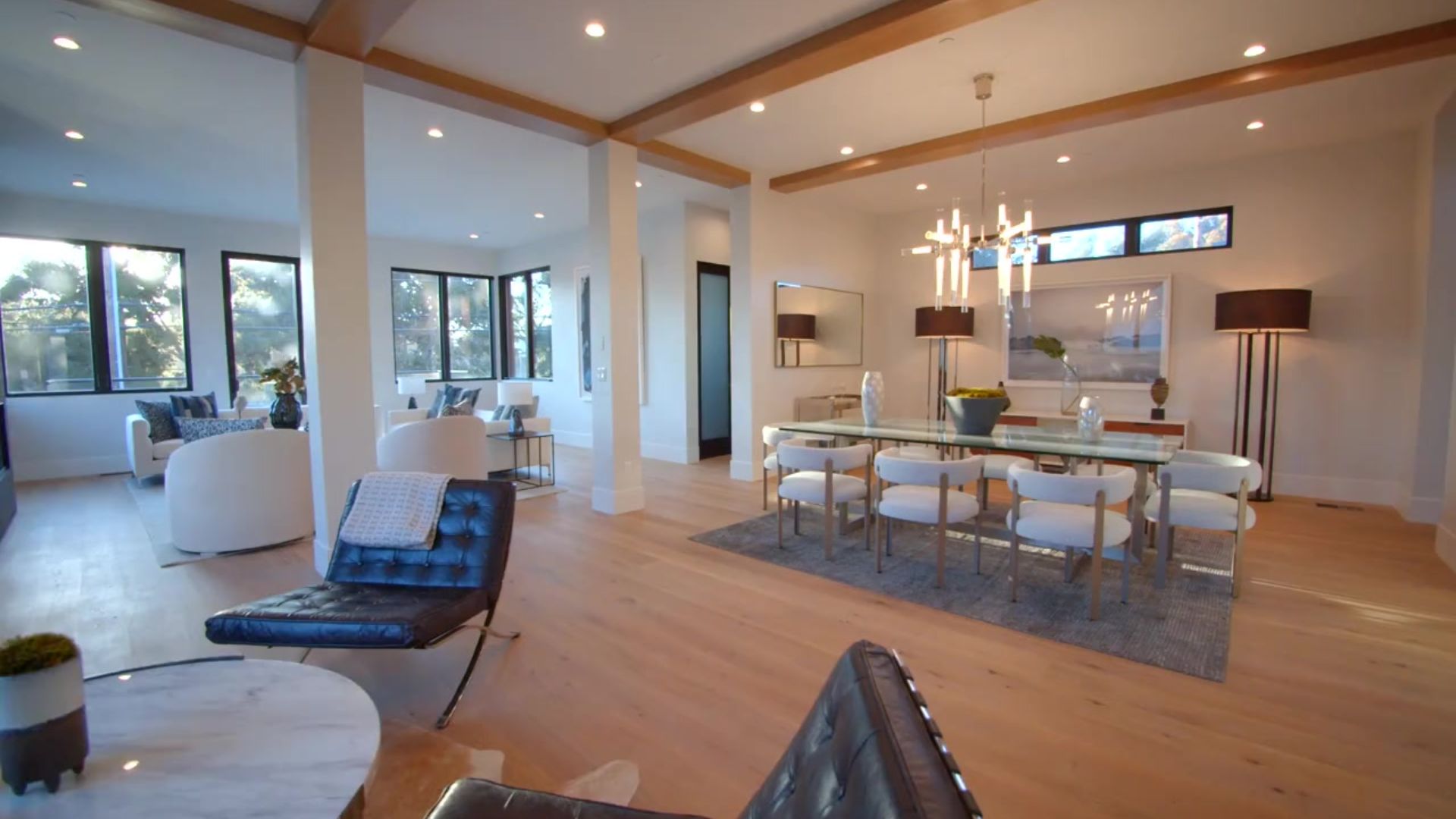
Before communities add more energy infrastructure, ask what the buildings themselves can already do.
Termobuild can help evaluate how structural thermal storage may apply to large-scale residential developments, master-planned communities, and grid-responsive housing strategies.