Senior Living Buildings Built for Stable Comfort and Stronger Financials
Assisted living, memory care, and senior living facilities carry a unique responsibility: keeping residents comfortable, staff supported, and operating costs under control year-round.
Termobuild helps buildings use the structure itself to store and release heating and cooling energy — supporting radiant comfort, fresh-air ventilation, lower peak demand, and simpler long-term infrastructure.
Senior living facilities need healthier, steadier indoor environments.
Many facilities face rising energy costs, seasonal indoor air quality concerns, staffing pressure, and residents who are more sensitive to drafts, cold airflow, allergens, and fluctuating temperatures.
The issue is not only how much energy a building uses. It is how the building creates comfort, handles ventilation, and responds to changing conditions throughout the day.
Resident Comfort
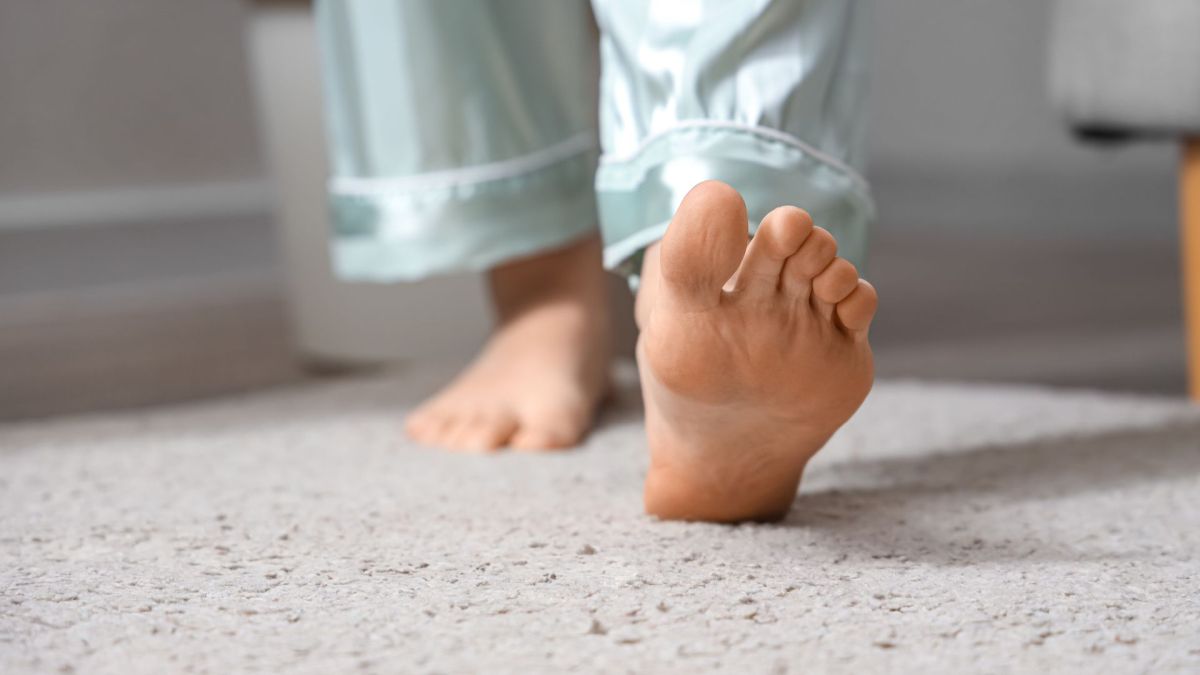
Stable radiant conditions can help reduce hot-cold swings and the discomfort often associated with aggressive forced-air response.
Staff Environment
More consistent indoor conditions and fresh-air delivery can support a better workplace for caregivers and facility staff.
Operating Cost
Reducing peak demand and mechanical dependency can improve long-term financial performance for owners and operators.
Comfort and air quality are operating issues, not just design features.
Senior living buildings operate every day, through seasonal illness concerns, staffing pressure, changing occupancy, and constant resident comfort needs.
A building that can maintain more stable indoor conditions with less mechanical strain can support both the resident experience and the operating model.

The structure becomes part of the comfort and energy strategy.
Termobuild activates concrete floor and ceiling systems so the building itself can store and release heating or cooling energy over time. This helps shift load away from peak periods while supporting more stable radiant comfort.
Instead of relying only on reactive air systems, the building structure participates in comfort delivery throughout the day.
Store Energy in the Structure
The building structure becomes useful thermal infrastructure rather than passive mass.
Release Comfort Over Time
Stored energy helps stabilize indoor conditions and reduce reliance on constant mechanical reaction.
Support Fresh-Air Ventilation
With the structure carrying part of the thermal load, ventilation can focus more directly on fresh-air delivery.
High-performance senior living does not have to mean more system complexity.
Many facilities add infrastructure to improve comfort, air quality, or energy performance. Termobuild creates value differently by using the concrete structure already in the building.
Less Mechanical Burden
Reducing peak load can reduce dependency on oversized daytime HVAC response.
No Added Storage Tanks
Thermal storage is integrated into the structure itself, avoiding dedicated storage infrastructure.
Longer-Life Infrastructure
The building structure does not carry the same replacement-cycle burden as many add-on systems.
Comfort, ventilation, and ROI should be evaluated together.
Senior living buildings are long-term operating assets. The right infrastructure strategy can improve resident experience while reducing mechanical scope, peak demand, maintenance exposure, and lifecycle complexity.
Project outcomes vary by climate, building type, construction method, and design strategy. Termobuild evaluates project-specific cost and performance impacts before recommendations are made.
Build comfort into the facility from day one.
For new senior living, assisted living, and memory care projects, structural thermal energy storage can be evaluated before mechanical systems are fully sized and performance assumptions are locked in.
This creates an opportunity to improve comfort and ventilation while reducing unnecessary mechanical infrastructure.
Evaluate the structure before replacing major systems.
Facilities facing HVAC upgrades, roof work, or energy modernization may be able to evaluate structural thermal storage as part of a broader infrastructure strategy.
The goal is not just equipment replacement. It is improving long-term comfort, operating performance, and resilience.
Start with the building before adding more systems.
Termobuild’s senior living strategy connects to a broader infrastructure approach: use the structure first, then evaluate what additional systems are actually required.
Explore high-performance buildings that start with the structure, radiant comfort and fresh-air ventilation, and what owners should evaluate before approving the building strategy.
Design senior living facilities that feel better and operate smarter.
Termobuild helps owners, developers, and operators evaluate how structural thermal energy storage may improve comfort, ventilation, energy performance, and long-term financial outcomes.