Before you build your next home, ask one more question.
What if the structure itself helped make your home more comfortable, more efficient, and more resilient??
The biggest difference
between luxury homes...
It's not always the finishes. Not the countertops. Not the appliances. Not even the size.
The true difference is how the home performs every day, in every season, and in every room.
Most luxury homes invest in premium finishes. Few make the structure work harder.
Traditional homes wait for temperatures to change. Then heating and cooling systems react. A different approach turns the concrete structure into part of the home’s comfort and energy strategy.
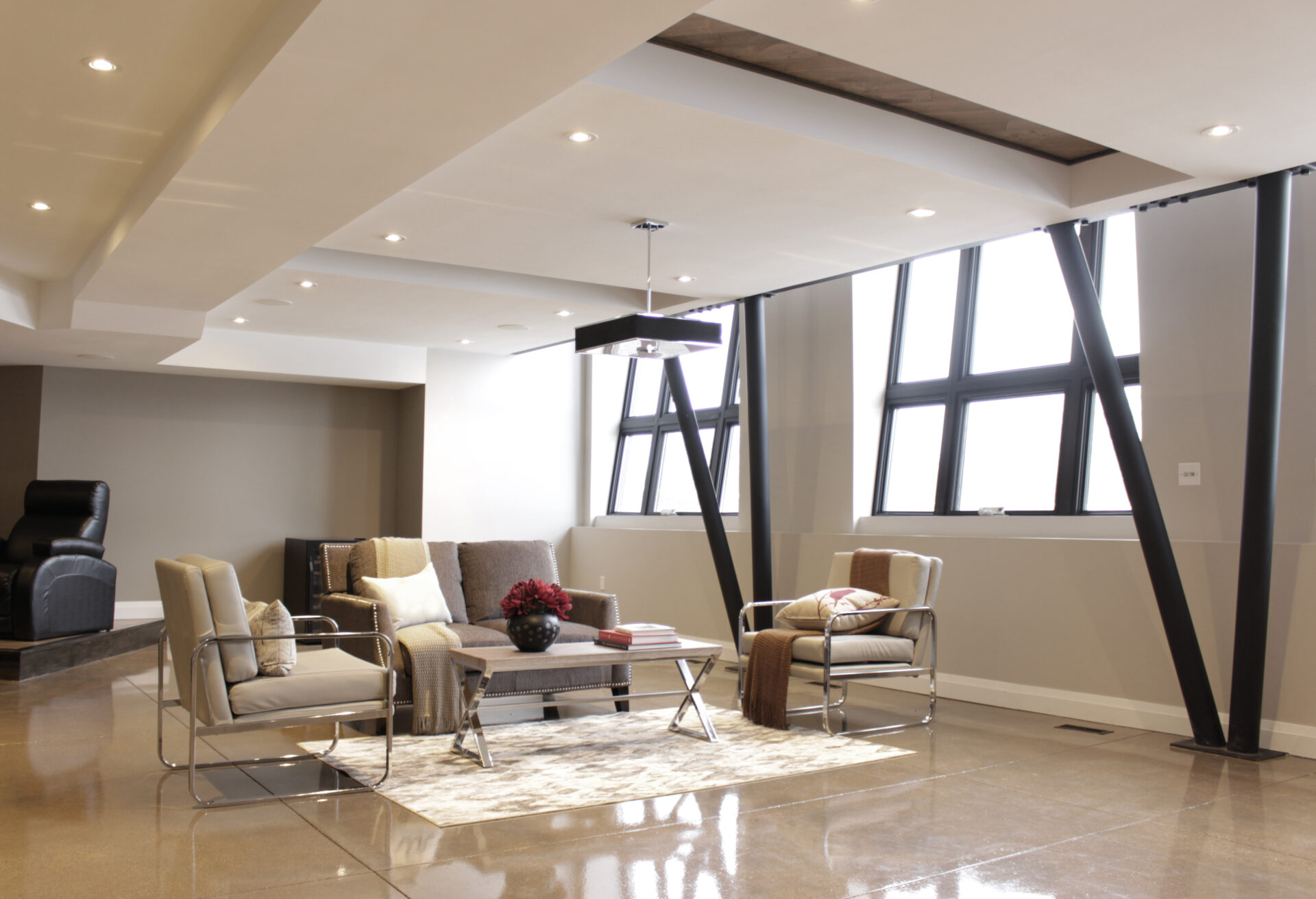
Conventional Comfort
- HVAC reacts after conditions change
- Higher peak heating and cooling demand
- More room-to-room temperature variation
- Comfort depends mostly on equipment
Structural Comfort
- The structure stores thermal energy
- Temperatures stay more stable
- Mechanical systems work less aggressively
- Luxury Radiant Comfort starts with the building itself →
Seven questions every luxury home buyer should ask.
How does the home maintain consistent comfort throughout the year?
If the answer is simply "the HVAC system works harder," there may be a better way to design comfort.
Does the home maintain stable temperatures room to room?
Premium comfort should not mean one room feels perfect while another feels too warm or too cold.
How much fresh outdoor air can the home deliver?
A high-performance home should support fresh air without sacrificing comfort or efficiency.
How quiet is the heating and cooling strategy?
Luxury comfort should feel calm, stable, and quiet — not dependent on constant fan noise.
Can the home take advantage of lower-cost nighttime energy?
Homes designed around thermal storage can shift more of the work away from expensive daytime hours.
What happens during a power interruption?
The structure of the home can help extend comfort and resilience when conditions outside the home change.
Does the structure itself contribute to comfort?
This may be the most important question — and the one most buyers never think to ask.
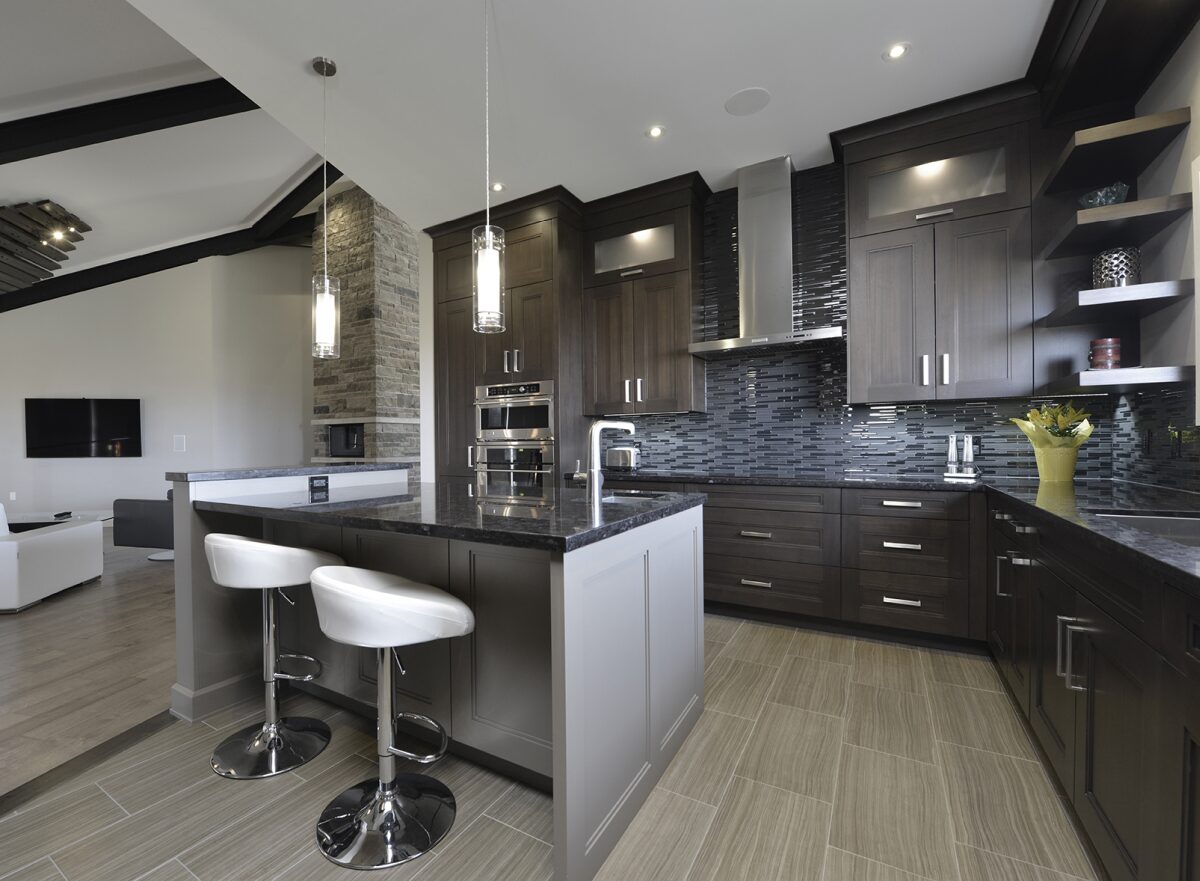
Turn the home itself into part of the comfort system.
Termobuild helps architects, builders, and developers activate concrete floors and structural elements as thermal energy storage. Instead of relying only on mechanical equipment, the home can store thermal energy when conditions are favorable and release it when comfort demand increases.
The most valuable part of your home might already be beneath your feet.
The concrete already in the home can do more than support the building. It can become part of the home’s comfort, energy, and resilience strategy.
A high-performance home should feel different.
Before you commit to your next home, ask your builder one question.
Can the structure itself become part of the heating, cooling, comfort, and energy strategy?
Start the conversation before your home is built.
Ask your architect, builder, or developer how the structure itself can become part of your home's comfort and energy strategy. Proven building technology with more than 3.2 million square feet of successful installations.
Share This With Your Builder